
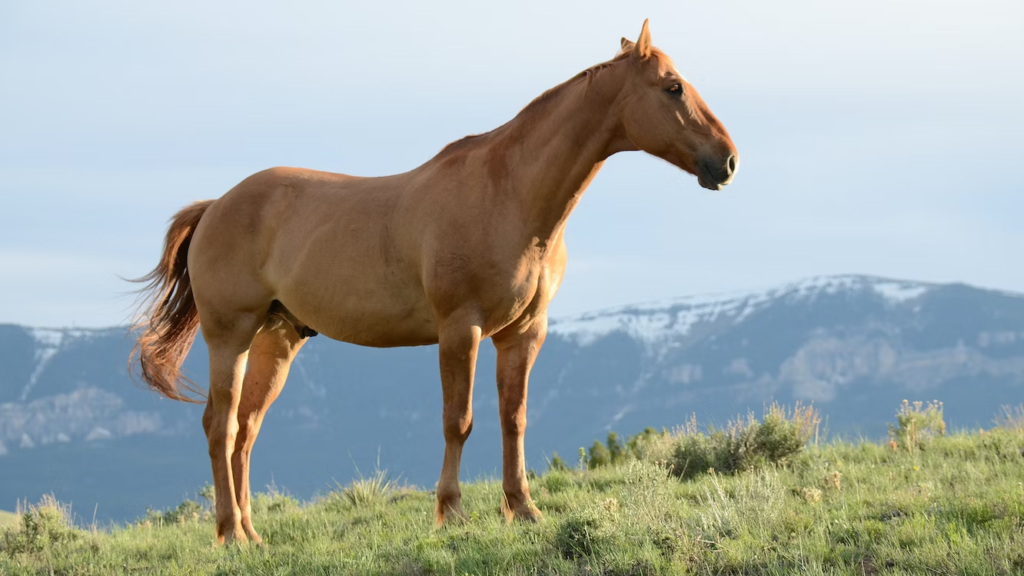
Post by Chris Allen: If you notice that your equestrian pet is showing signs of weakness, it can be a frustrating and worrisome experience for both you and your pet. In many cases, these signs of deficiency may mean that the animal requires medical attention or some form of supportive care from an experienced veterinarian.
However, there are certain steps you should take in order to ensure the welfare of your horse before seeking professional help. This blog post will discuss various safety measures and treatment options available to those with equestrian pets who are displaying signs of weakness or ill health. Read on to learn more about what steps you can take if your equestrian pet appears weak or unwell!
Take your pet to the vet and get a physical exam
As pet owners, we have a huge responsibility to ensure that our furry friends live a healthy and happy life. One essential way to achieve this is by taking them for regular physical exams at the vet. This examination will help determine any underlying health issues, and enable your vet to create a tailored wellness plan that suits your pet’s needs. Furthermore, a physical exam allows the vet to check your pet’s overall well-being, ranging from weight, dental health, skin condition, and more.
Make sure your pet is getting enough rest and relaxation
Pets do so much for us. They are our companions, protectors, and a source of endless joy and entertainment. But in order to keep them happy, healthy, and at their best, we need to make sure they are getting enough rest and relaxation. Sometimes we forget that pets need downtime too. Just like humans, they need to recharge their batteries so that they stay energized and alert.
So, whether your pet is a dog, cat, bird, or something else altogether, make sure they have a quiet place where they can rest undisturbed for a while each day. You will notice the difference it makes in their demeanor – they will be calmer, happier, and more contented than ever before!
Monitor your pet’s food intake and make sure they are eating a high-quality diet
As a pet owner, there are few things more important than ensuring your furry friend is healthy and happy. One easy and effective way to accomplish this is by monitoring their food intake and making sure they are getting a high-quality diet. Not only can this lead to a longer lifespan and higher energy levels, but it can also ward off potential health problems down the line.
One key nutrient to keep in mind when choosing food for your pet is Lysine. Amongst the other benefits of Lysine, it helps support a healthy immune system and can even help reduce stress levels in pets. So when selecting food for your pet, be sure to look for brands that contain adequate amounts of Lysine in order to keep them at their best!
Ensure you’re providing proper exercise
As a horse owner, it’s important to ensure that you’re providing your equine companion with proper exercise and conditioning. Keeping your horse fit not only improves their overall health and well-being but also helps prevent injuries while riding.
Proper exercise can vary depending on the horse’s age, breed, and general fitness level, so it’s important to work with a knowledgeable trainer or veterinarian to design a workout regimen that’s tailored to your horse’s specific needs. Additionally, keeping in mind that conditioning is a gradual process that should be approached with patience and consistency will help set your horse up for success in the long run.
Implement an overall wellness plan
Taking care of your horse is of utmost importance when it comes to keeping them healthy and happy. One way to ensure your equine friend is in the best possible condition is to implement an overall wellness plan that includes basic grooming, regular teeth cleaning, and hoof trimming.
By carrying out these simple tasks, you can prevent a host of health problems that can be caused by neglecting your horse’s hygiene needs. Regular grooming can help keep their coat shiny and free of dirt and debris, while teeth cleaning prevents dental issues that can be painful and even life-threatening. Lastly, proper hoof care ensures your horse remains fleet-footed and comfortable while moving about.
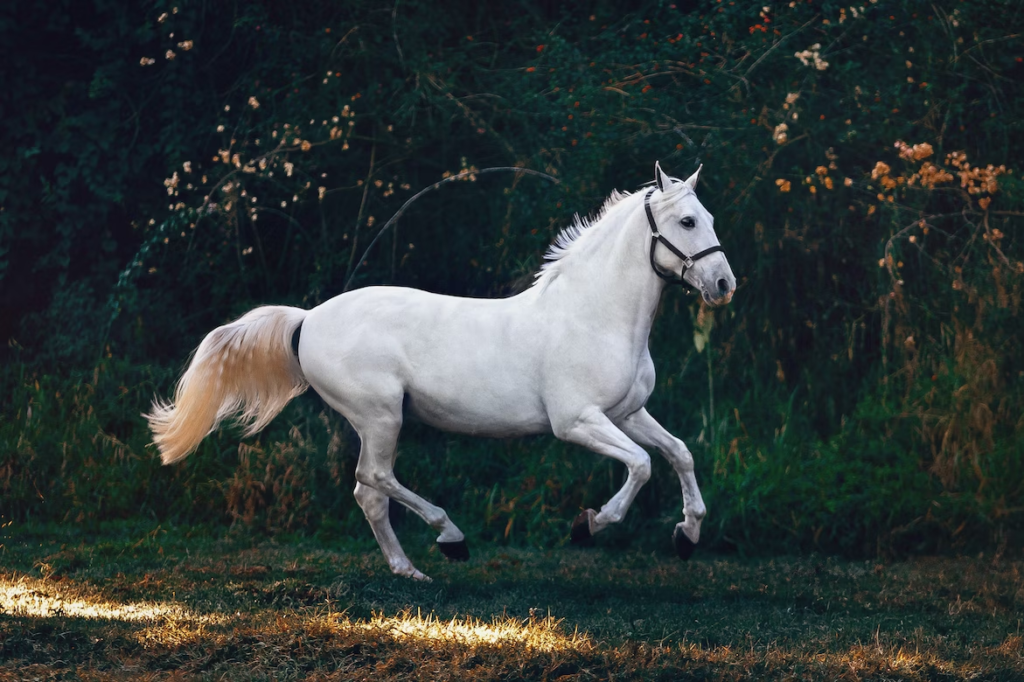
It’s really important to keep an eye on your equestrian pet and pick up on any signs of weakness or irregularities in their behavior. With the right care and attention, you can ensure that your pet is living its best life! Regular vet visits, plenty of rest and relaxation, a nutritionally sound diet tailored to the needs of your pet, proper exercise and conditioning, and additional supplements are all key elements of taking care of an equestrian pet.
Creating a tailored wellness plan for your pet that includes regular grooming, hoof trimming, and teeth cleaning will go far in keeping them healthy and strong. Keeping these tips in mind will help you make sure that your beloved equine companion is happy and living well.