
This is a collaborative post: The importance of psychology in sports is not a topic that is often discussed; some professional athletes do not know the great importance of mental training together with their routine physical training. Psychology is the study of the mind and behaviour; in sports, psychology also equally plays an important role as physical training, every and needs to balance their efforts in this regard. Research shows that good mental training, in addition to physical training, can improve results much more than physical training alone.
Universally, sportspeople dedicate a huge amount of preparation to their physical conditioning and technical skills. The importance and attention given to psychological preparation can often be overlooked by many sports professionals. The diversity, unpredictability, and intensity of sport places challenges to the athlete both on a physical and psychologically level, paying a great deal of attention to one and less attention to the other can have either positive or negative eventualities. Top professionals who understand the importance of psychological training together with physical training on how to strike a balance in this regard often appear to be maestro in their respective sporting endeavors. The human mind is complex with people learning and developing at different paces, psychological skills will be a fundamental ability for some to control their state under pressure and maintain focus during extreme and demanding circumstances of uncertainty.
MANAGING PSYCHOLOGICAL ALERTNESS IN SPORTS
Not all professional sportspeople can handle criticism well; it takes a strong mental ability to handle it well and use it to your advantage. Many athletes can be easily weighed down mentally from just a simple criticism that can just be used to their advantage. Many coaches/instructors in different sports often use psychological push to their advantage and they usually term it “little kick in the butt” to motivate their teams and athletes. Psychology in sports is simply a science that deals with the emotional aspects of physical performance. Psychology in sport is said to teach the individual to be positive, supportive, and sensitive. These skills are known as self-worth-building skills. Sports Psychology has a lot of important roles to play in the realization of any sporting objectives, the following are the few highlighted ways how to use psychology to your advantage in any sporting activities:
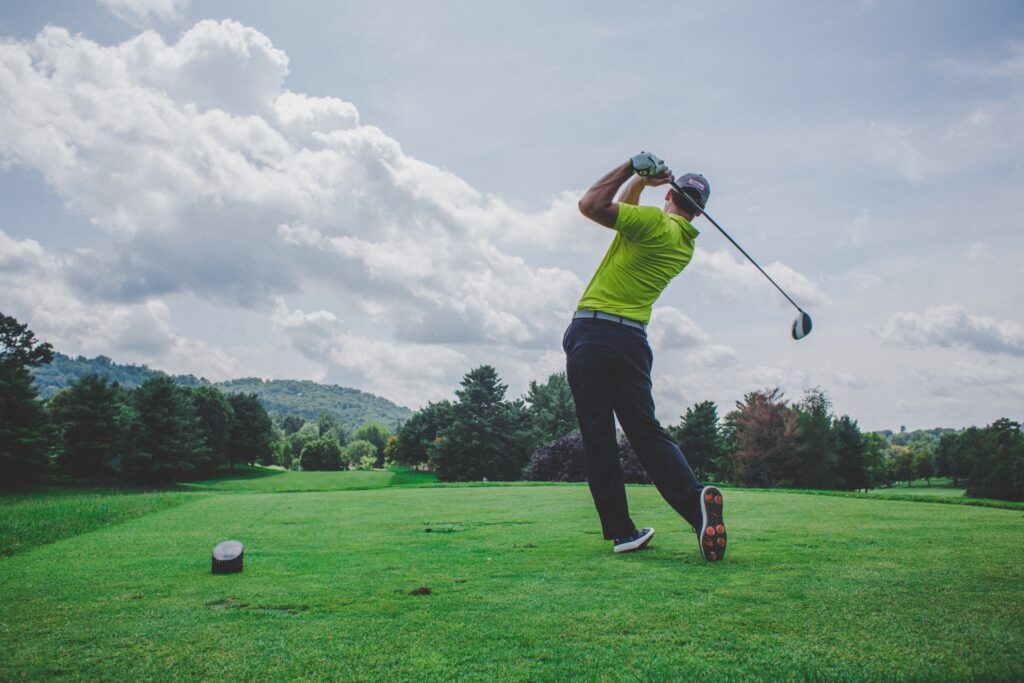
- Since the entirety of the athlete’s personality is involved on the playing field, one of the major roles of psychology is in the area of behavioral control of the golfing athlete (TellMeMoreGolf.com). This could be used for golf performance enhancement through the modification or adjustment of different types of attitudes.
- Crisis intervention in sporting activities; the crisis is viewed as an acute situation with emotional responses that interfere with or mar an athlete’s ability to perform excellently. Ensuring high-class performance of athletes – under the pressure of competition by the application of various psychological principles before, during, and after competitions. Having good psychological training can assist the athlete to block out stress provokingly. Thoughts, discouraging self-doubts, avoidance of negative imagery, and inhibitory self-statements may impair sports performance.
- Mental preparation and training are also taken up by some sports psychologists, this involves the understanding of those factors that can have a lot of influence on the athlete. These are social status, the home, the economic background, their religious setting, physical tolerance, the moral background, social status, and the value system in the society.
- Teaching the athlete how to cope with pain can also have a positive impact on overall sporting performance. An athlete needs to understand what pain is and how pain relates to an improvement in sports, they should be encouraged to develop a positive mental attitude towards pain.
- Using psychology and the knowledge of human behavior in motivating athletes can improve performance if utilized effectively. Motivation does not always translate to material rewards like money, house, car, etc. in this regard, motivating the athlete in training by varying training methods, makes them have feedback of progress in training, and also makes them have a say in the training plan.
- Stress management is another important area that should not be neglected in all sporting activities; it helps in enhancing sports performance. Coping with stress is developed in athletes. Various techniques can be adopted in dealing with stress.
- Discipline is consciously taught among the athletes. The discipline of sportsmen/women affords the individual to develop very high self-esteem which is said to enhance performance, create confidence, making the athlete satisfied to feel involved in sports. Athletes who develop self-esteem can get more motivated and become more productive.
CONCLUSION
Psychological monitoring and evaluation combined with the characteristics of various sports to carry out reasonable and effective comprehensive psychological control is a key factor in enhancing the overall athlete’s sporting performance. Many coaches and athletes still lack sufficient understanding of psychological training. They must be able to communicate the scientific nature of psychological training together with a sincere attitude and practical actions. Psychological training can only achieve results if it is supported by the coaches and the active participation of the athletes.